
Input material
Heavy plate, H-beams, rail and other steel scrap with possible copper, aluminium or plastic attachments.
Reduce heavy steel scrap to a dense, uniform furnace charge while separating non-ferrous contamination out of the stream.
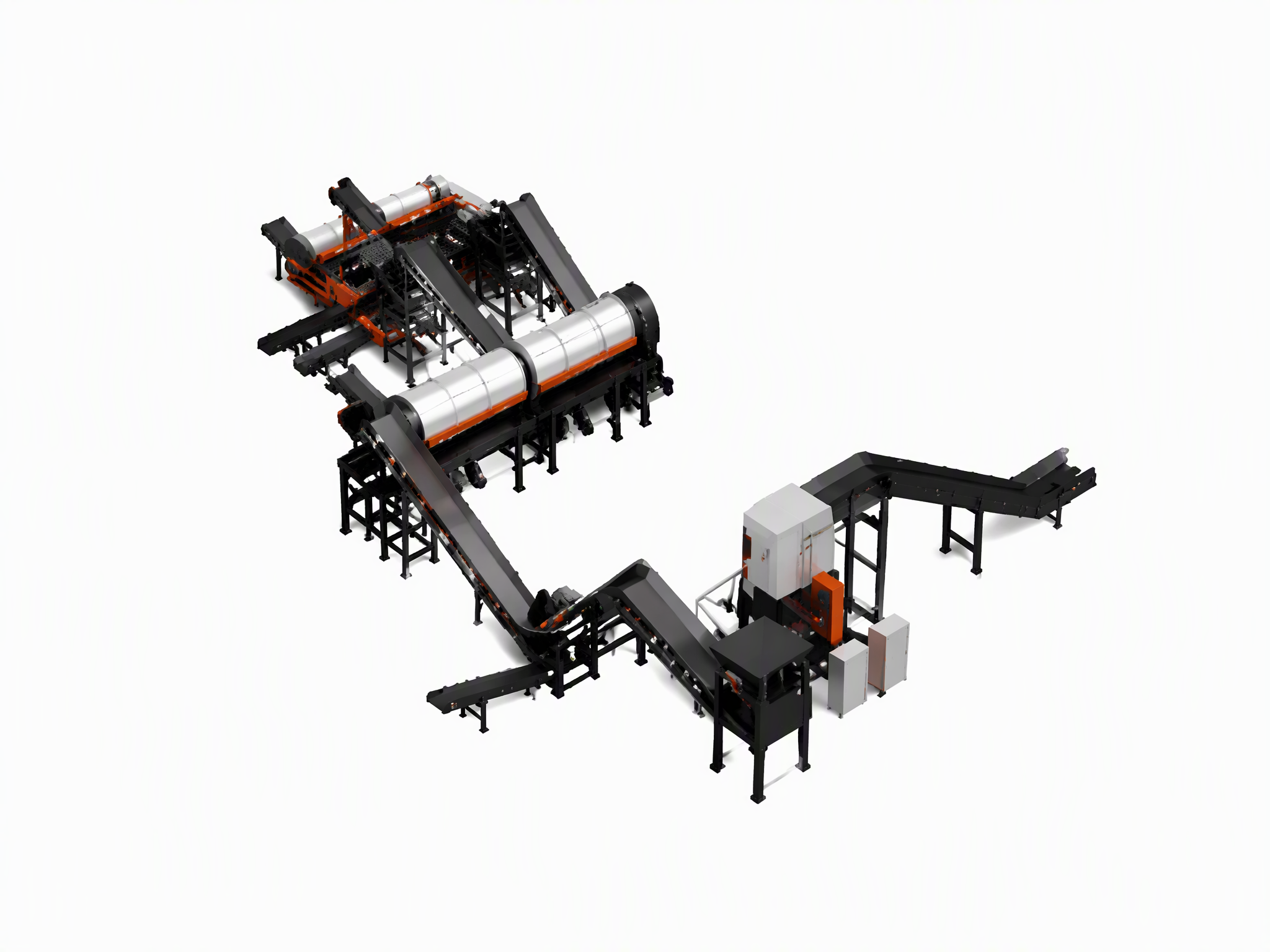
Heavy steel scrap is bulky, hard to transport economically and often carries copper, aluminium and plastic contamination that mills penalise at the weighbridge.
A denser, cleaner ferrous product with non-ferrous and non-magnetic material split out — better mill acceptance and less material lost to the residue pile.
A hydraulic gantry shear crops oversized plate, H-beam and rail to a length the shredder can accept, avoiding downtime on unshreddable pieces.
Low-speed, high-torque shredding reduces the sheared material to a controlled output size with anti-jam protection.
Magnetic drums and overband separators split ferrous from non-magnetic material immediately after shredding.
Eddy current separation recovers aluminium, copper and zinc from the non-magnetic fraction instead of sending it to residue.
Final screening sets the cut point and the ferrous product is baled or loaded out for the mill.
A recycling line is specified against the material and the output buyer accepts, not from a catalogue number alone.
Heavy plate, H-beams, rail and other steel scrap with possible copper, aluminium or plastic attachments.
A denser ferrous stream plus separated non-ferrous and residue fractions. Mill acceptance depends on the buyer specification.
Output size, density and recovery depend on feed geometry, contamination and machine settings. Confirm the final sequence and capacity against a representative sample.
Tell us the steel forms, largest feed piece, contamination and target furnace charge.
Very large plate, beams or rail may need gantry shearing before shredding. Confirm feed limits and the buyer specification.
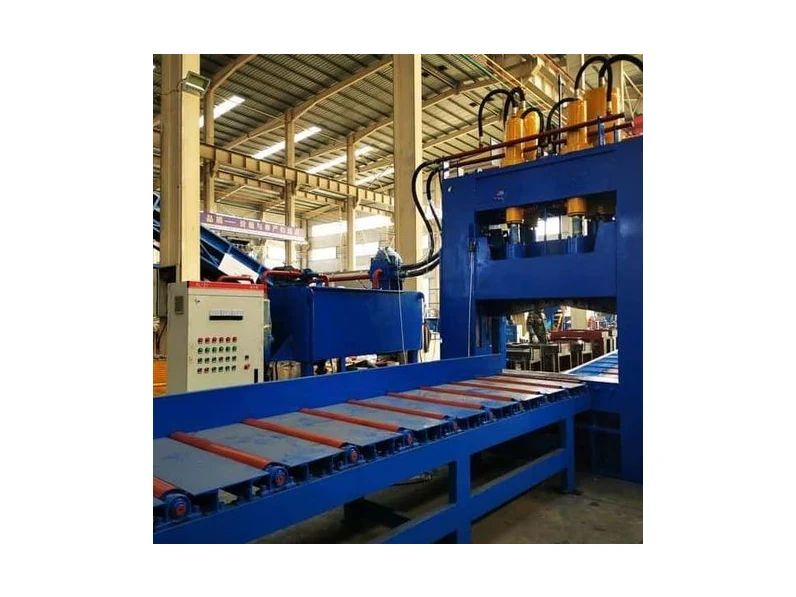
800-ton shearing force and a 1,600 mm blade for thick plate, H-beams and rail — clean shear faces with a 12–18 second cycle.
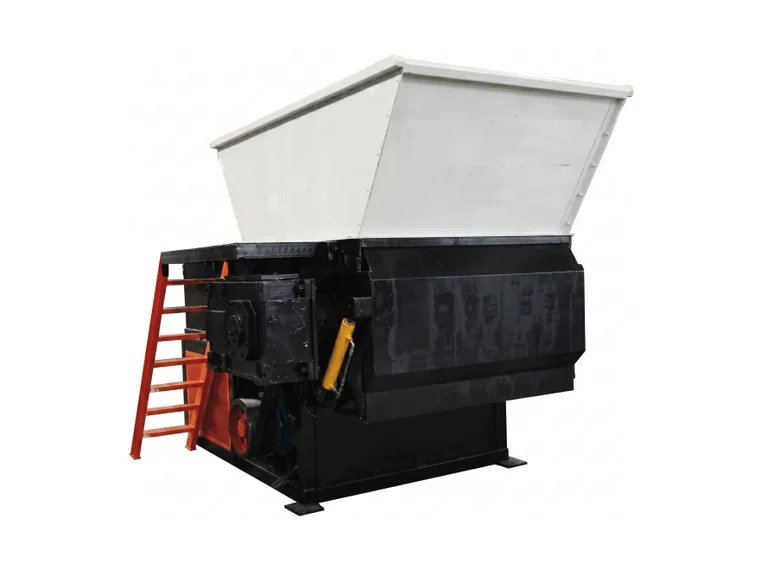
Single-, dual- and four-shaft shredders that reduce bulky metal scrap to a consistent 50–300 mm output, with anti-jam reversal and hardened blade sets.
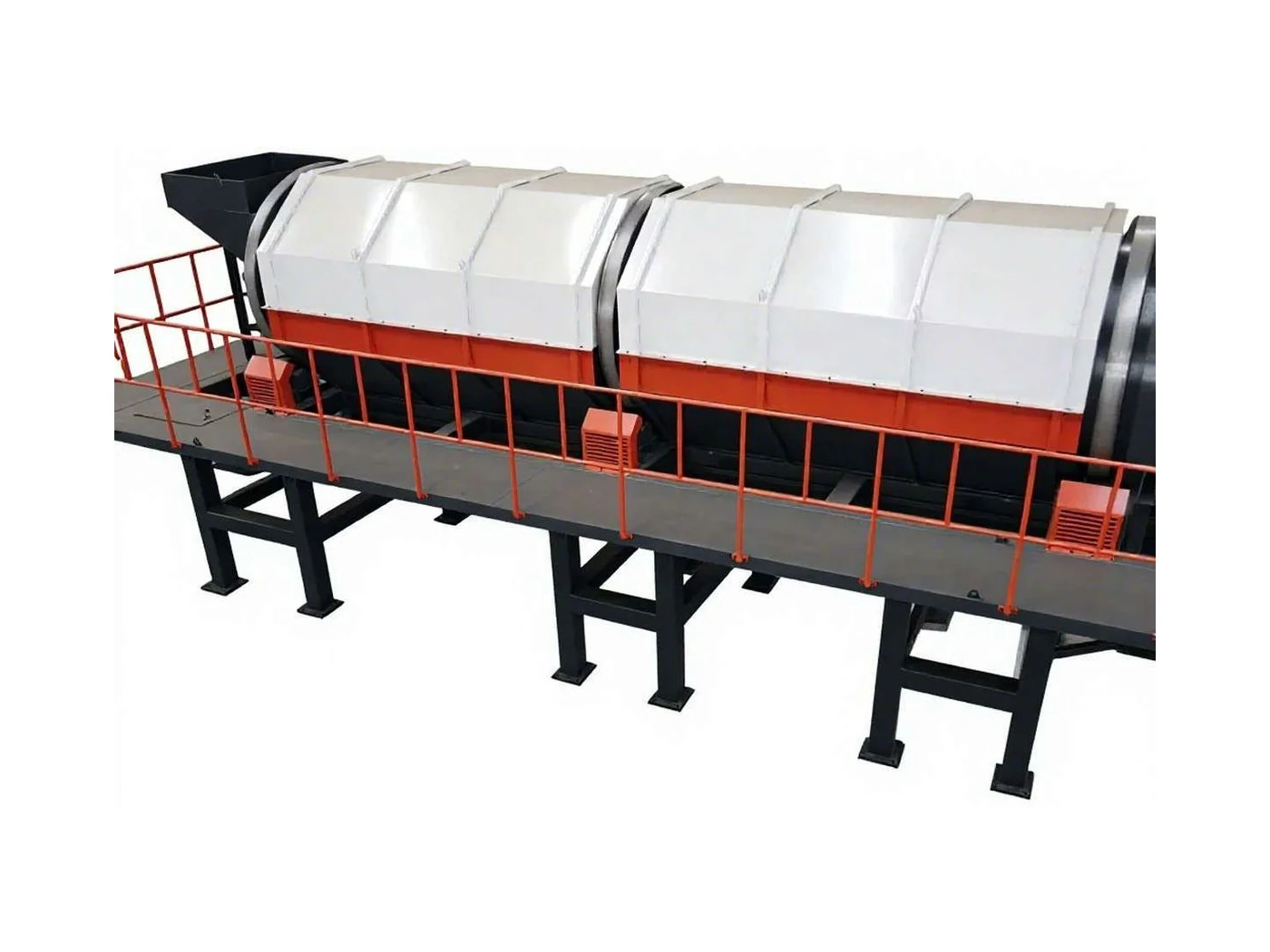
Rotary drum screener that splits shredded scrap into size fractions before sorting, reducing downstream wear and improving separation accuracy.
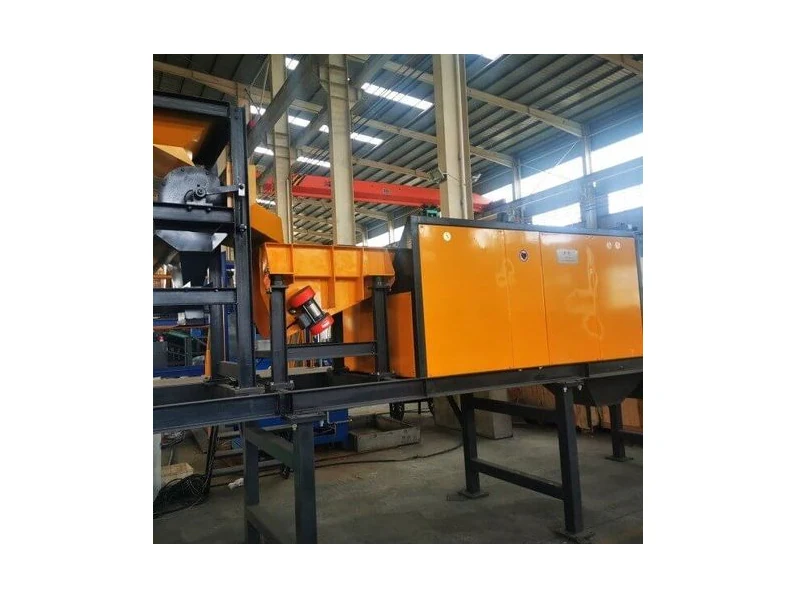
High-frequency rotor that ejects aluminium, copper and zinc from mixed streams, separating particles down to 3 mm at >99% aluminium recovery.
Tell us the steel forms, largest feed piece, contamination and target furnace charge. We do not quote a line from a description alone; the final sequence is confirmed against the material and site conditions.
It is considered when plate, beams or rail exceed the shredder feed envelope. The largest pieces and cutting sequence are checked first.
Magnetic separation removes ferrous material; an eddy current stage can be considered for aluminium and other non-magnetic fractions.
The buyer specification, feed mix, cut point and separation settings determine the product. The final target must be agreed before quoting.