
Input material
End-of-life refrigerators, washing machines, air conditioners and other composite appliances after required manual preparation.
Dismantle and crush end-of-life appliances, then split out ferrous, non-ferrous and plastic fractions for separate sale.
Refrigerators, washing machines and air conditioners are composite products. Landfilling or shredding them as mixed waste loses recoverable metal and creates disposal cost.
Separated ferrous, non-ferrous and plastic streams, with refrigerant and compressor handling addressed before crushing.
Compressors, motors and refrigerant circuits are removed first — these need separate handling and should not enter the crusher.
Vertical or horizontal crushing reduces the appliance body and remaining assemblies to a uniform size.
Ferrous shells, shafts and frames are lifted out of the stream magnetically.
Eddy current separation recovers copper windings, aluminium and brass from the non-magnetic fraction.
The remaining plastic and insulation fraction is separated for recycling or controlled disposal.
A recycling line is specified against the material and the output buyer accepts, not from a catalogue number alone.
End-of-life refrigerators, washing machines, air conditioners and other composite appliances after required manual preparation.
Separated ferrous, non-ferrous, plastic and residue fractions, with compressors and refrigerant circuits handled before crushing.
Refrigerant recovery, dismantling and waste handling must follow local environmental and safety requirements. Equipment selection is confirmed after the appliance mix is reviewed.
Tell us appliance types, preparation method, daily volume and required metal/plastic fractions.
Compressors, motors and refrigerant circuits must be handled before crushing. Local environmental and safety obligations remain with the project owner.
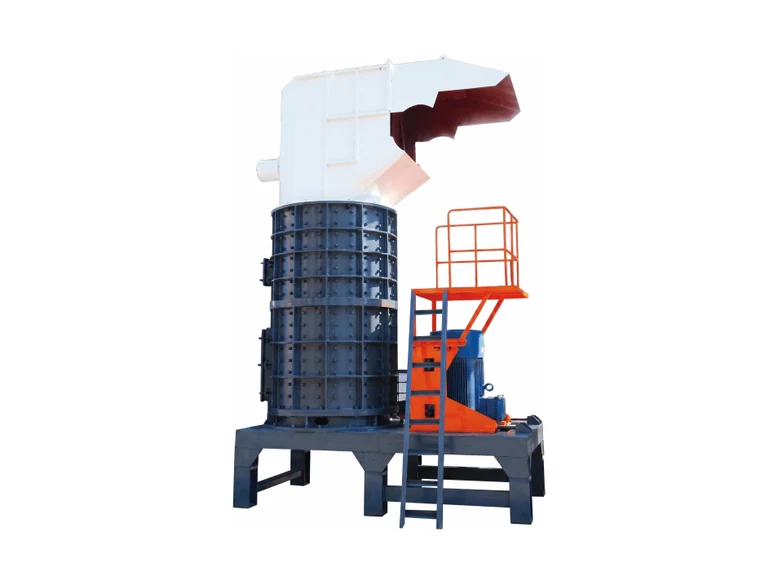
Vertical shaft crusher for reducing crushed scrap and motor housings to a uniform, denser output before separation or baling.
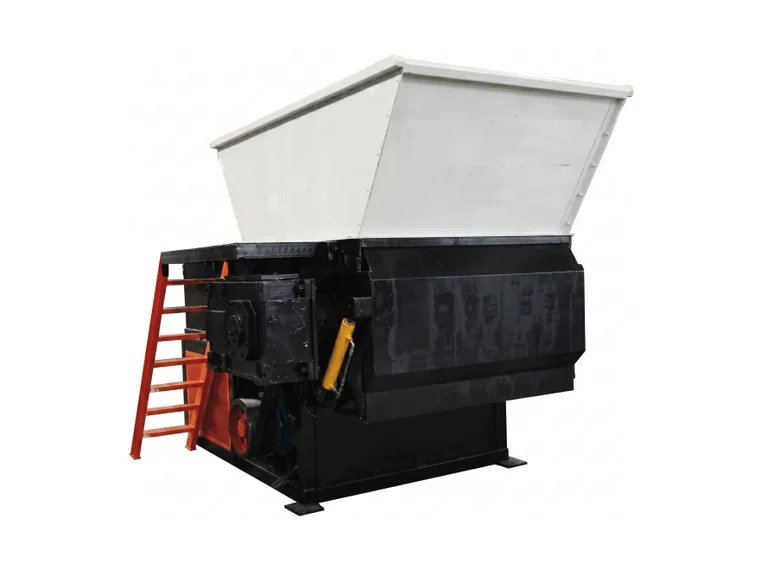
Single-, dual- and four-shaft shredders that reduce bulky metal scrap to a consistent 50–300 mm output, with anti-jam reversal and hardened blade sets.
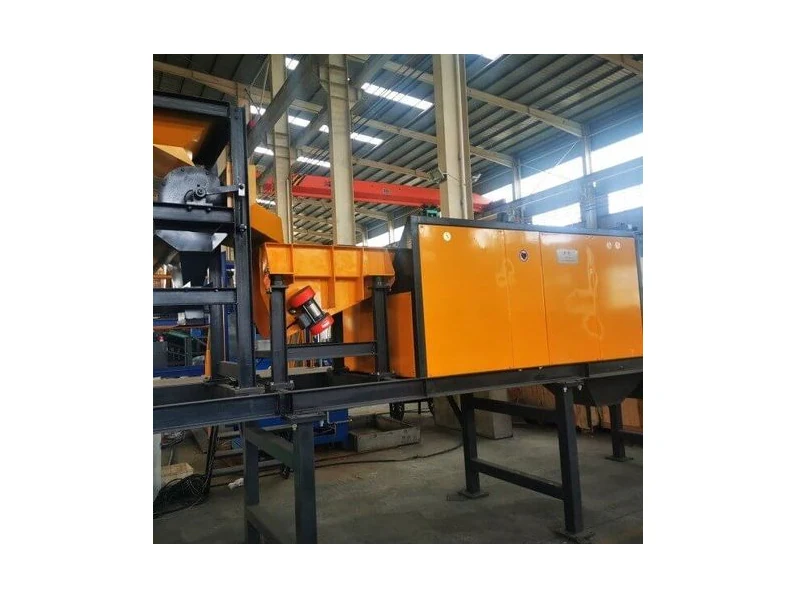
High-frequency rotor that ejects aluminium, copper and zinc from mixed streams, separating particles down to 3 mm at >99% aluminium recovery.
Tell us appliance types, preparation method, daily volume and required metal/plastic fractions. We do not quote a line from a description alone; the final sequence is confirmed against the material and site conditions.
No. Compressors, motors and refrigerant circuits require separate preparation before crushing. The permitted preparation sequence depends on local requirements.
The process can be configured around ferrous, non-ferrous, plastic and residue streams. The appliance mix determines the practical separation stages.
No. Refrigerant and waste handling must be approved and operated under the applicable local environmental and safety rules.